


Aug 08,2024
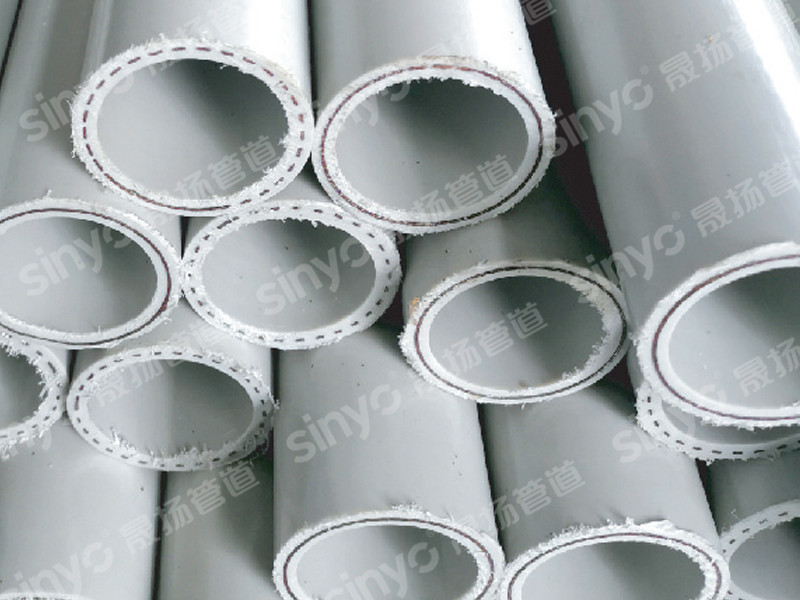
Kongwang steel strip polyethylene composite pipe
Kongwang perforated steel belt polyethylene composite pipe is a composite pipe material with a perforated steel pipe welded from cold-rolled steel strip as the reinforcing skeleton and composite thermoplastic plastic. Due to the introduction of the reinforcing skeleton, the pressure resistance of the pipe is significantly improved. Different types and grades of thermoplastic plastics can be used to produce composite pipe materials for different purposes. The perforated steel belt plastic pipes produced by the company are divided into several uses according to their uses: water supply, underground gas, hot water, chemical, and special uses.
May 11,2024
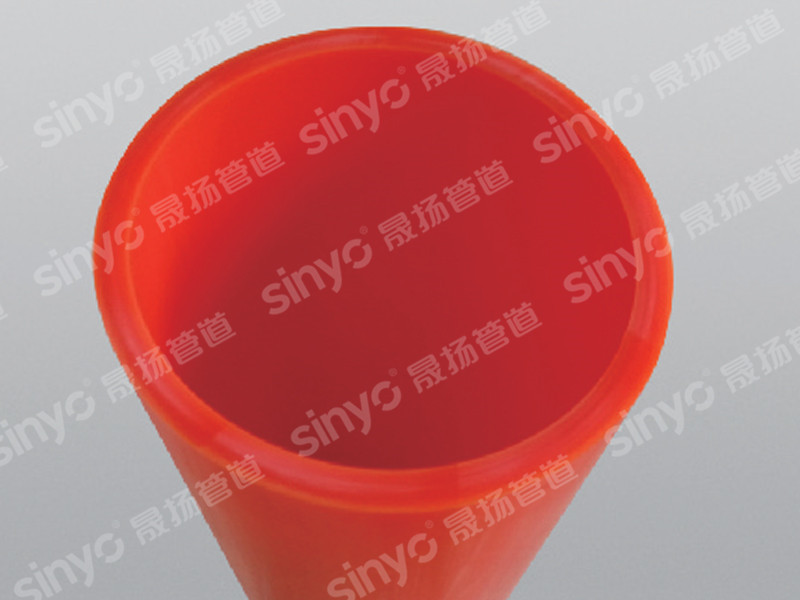
Development prospects of large-diameter (large-caliber) pressure pipes
The application of plastic pipes, both domestically and internationally, started with smaller diameters and gradually developed towards larger diameters. (There is no defined definition for large diameter; in this article, large diameter refers to diameters of 800mm and above.) It is worth noting that in recent years, there has been a major international trend towards the development of large-diameter plastic pipes, driven by environmental protection. As is well known, the world is currently facing a battle against climate change, and all countries must bear the responsibility of reducing carbon emissions. In the pipeline industry, there is undoubtedly a need to pay more attention to environmental impact.
Sep 05,2023
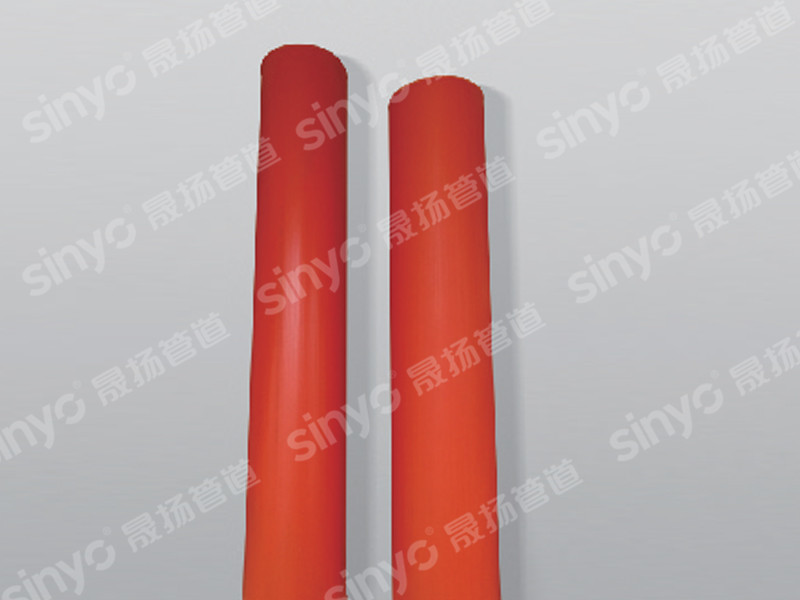
Storage requirements for psp steel-plastic composite pipes
Before formal construction begins, and after construction for any remaining pipes, proper storage should be ensured. Particular attention should be paid to the placement and environment, otherwise damage to the pipes may occur, affecting their use.
Aug 10,2023
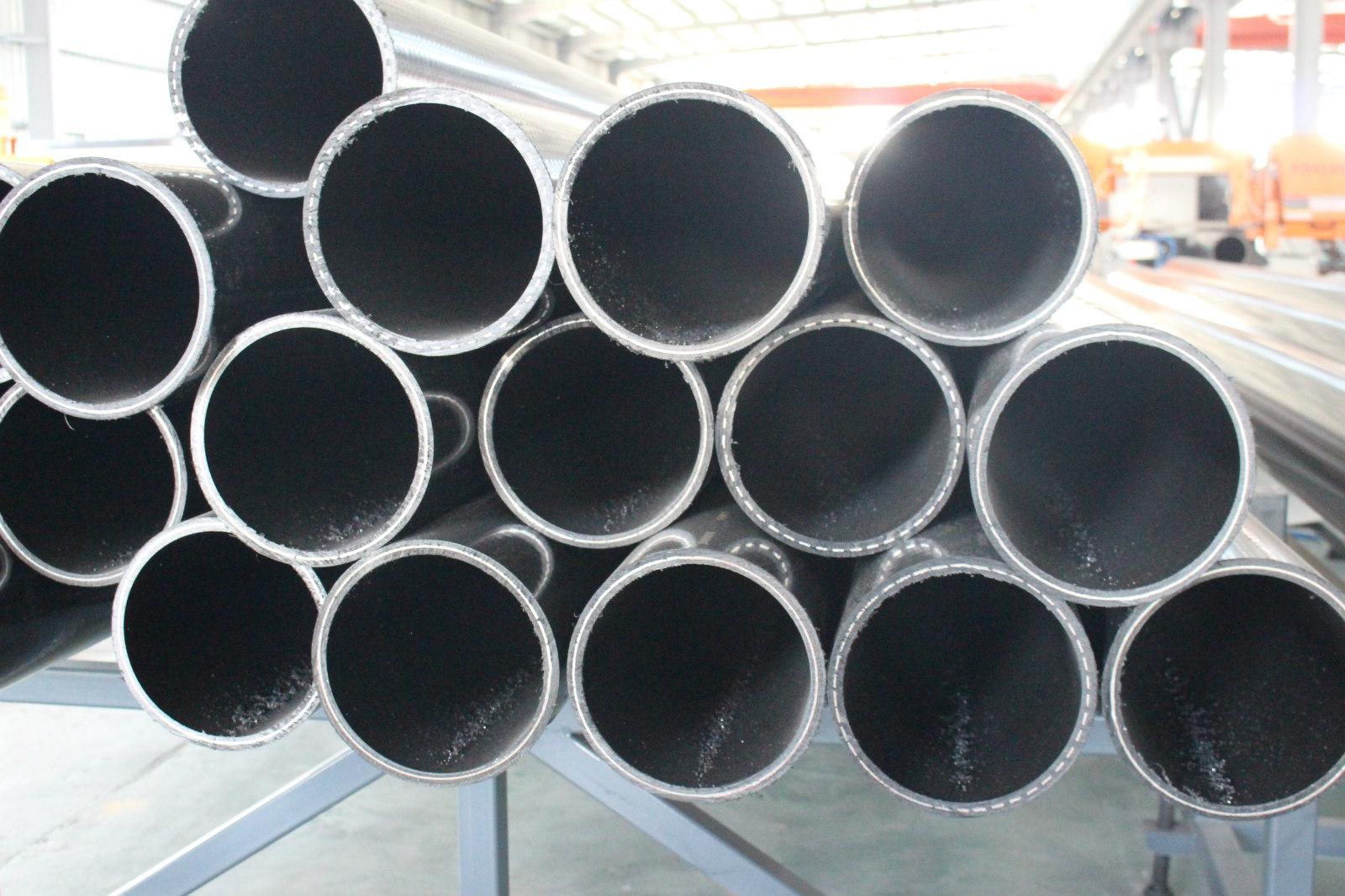
What new path will future urban water supply network technology take?
With the acceleration of industrialization in China, water pipe networks have received increasing attention. Municipal pipe networks transport various forms of energy, thus the operational status of urban water pipelines directly impacts people's quality of life. With the increasing urban population and energy consumption, pipe networks provide favorable conditions for energy supply.
Apr 10,2023
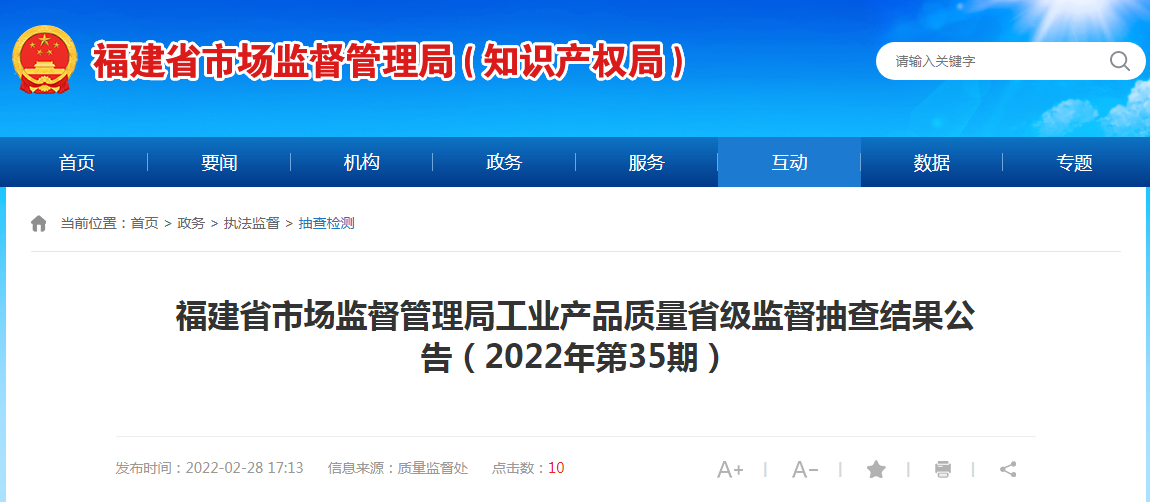
China Quality News Network reported on February 28 that the Fujian Provincial Market Supervision Bureau recently conducted a provincial-level supervision and inspection of drainage hard polyvinyl chloride (PVC) pipes and fittings. The inspection covered 30 batches of drainage hard PVC pipes and fittings from 22 manufacturers. The pass rate was 100%.
Aug 10,2022
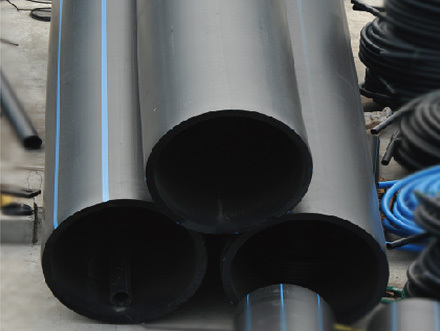
PE pipes are polyethylene plastic pipes. PE is a relatively basic type of plastic with excellent resistance to most household and industrial chemicals. PE pipes can be divided into low-density polyethylene pipes, medium-density polyethylene pipes, and high-density polyethylene pipes.
Jun 09,2022
Welding precautions for PPR hot and cold water pipes
When heat-fusing PPR water pipes, ensure the pipes are not directly fitted on top of each other. Metal pipes can be connected using flanges. When connecting to a water heater, pipe fittings with metal inserts must be used. Construction must be performed by reliable heat fusion workers to ensure quality. Use specialized tools to cut pipes, ensuring a smooth, burr-free cut. When cleaning the welding area of pipes and fittings, prevent sand and dust from affecting the joint quality. Set the heating head on the fixture to match the size of the pipe to be welded. Turn on the power and allow the heating head to reach the appropriate temperature. Mark the welding depth on the PPR water pipe with a pencil. Insert the pipe and fitting into the welding machine and heat according to the required time. After heating, immediately remove the PPR water pipe and fitting and connect them immediately. If the position is incorrect during the connection of the pipe and fitting, minor adjustments can be made within a certain time, but the rotation angle should not exceed five degrees. After connecting the PPR water pipe, firmly hold the pipe and fitting to allow sufficient time for cooling. Once cooled to a certain extent, release and install the next pipe. Install the entire piping system using the above method. To ensure the quality of PPR water pipes, construction personnel should understand the characteristics of the pipe material and follow relevant technical regulations or technical manual standards during construction. PPR water pipes are plastic pipes, and their rigidity and impact resistance are inferior to metal pipes. Therefore, special attention should be paid to civilized construction, safety production, and finished product protection during winter storage, transportation, construction, and later installation. During construction, prevent improper external forces from causing mechanical damage to the pipes, leaving invisible cracks and hidden safety hazards.
Nov 19,2021
What are the differences between PE pipes and HDPE pipes?
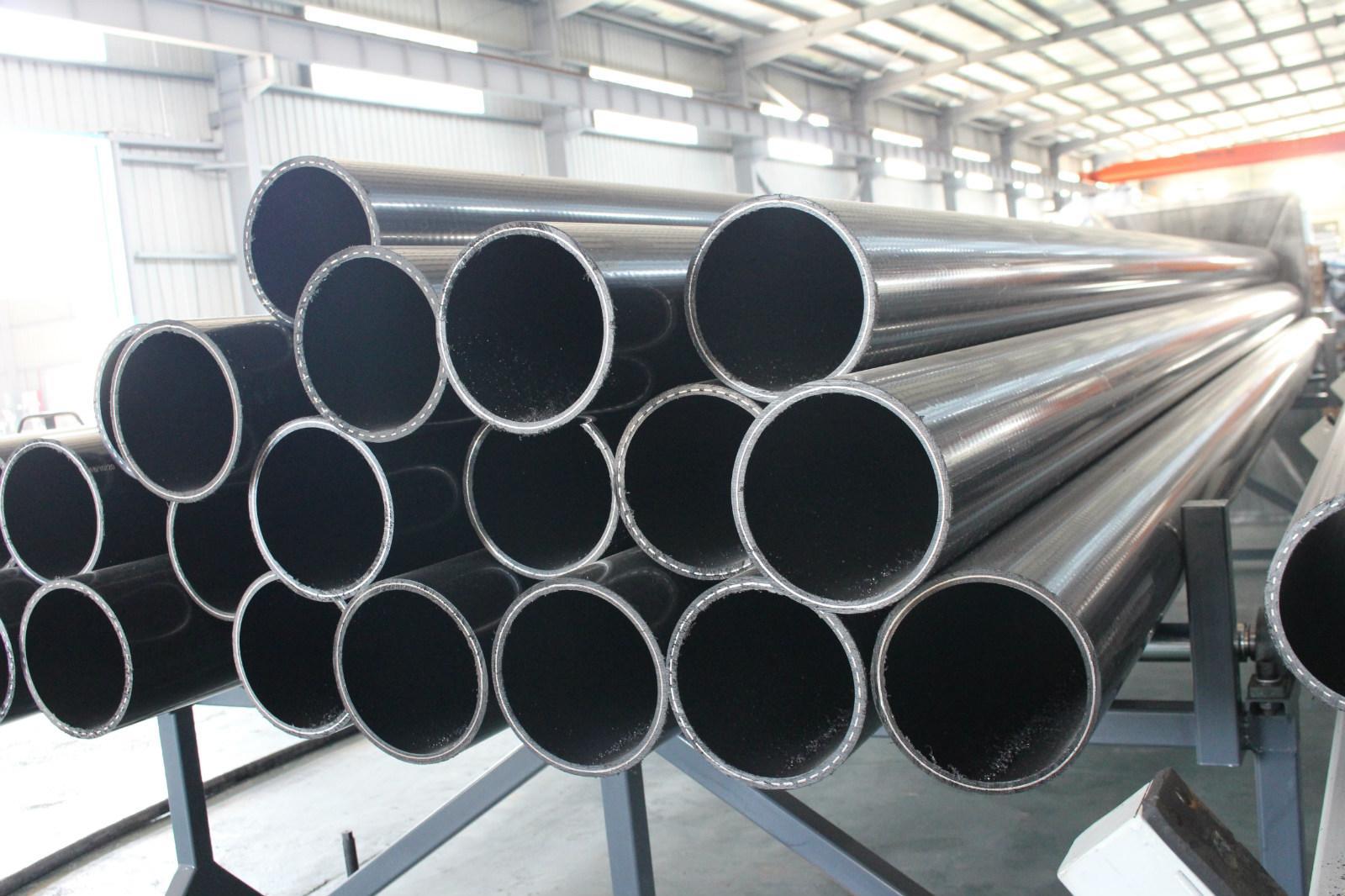
PE pipes are polyethylene plastic pipes. PE is one of the most basic plastics and has excellent resistance to most household and industrial chemicals. PE pipes can be divided into low-density polyethylene pipes, medium-density polyethylene pipes, and high-density polyethylene pipes.
Nov 13,2020
Can HDPE pipes be used as drinking water pipes?
PE pipes are unparalleled in their durability. PE pipes are highly corrosion-resistant, and also high-temperature and high-pressure resistant, allowing for use in a variety of environments. In comparison, many other pipe materials have clear shortcomings. For example, galvanized steel pipes, commonly used in older homes, are very susceptible to rust and will easily show problems such as yellowing water and reduced water flow after a short period of use. Some materials also experience a rapid decrease in strength at high temperatures, posing safety risks when used in high-temperature conditions. However, PE pipes have high heat resistance and do not present such safety risks.
Dec 04,2019
Congratulations on the launch of the new website for Sinyo Pipe Technology Co., Ltd.
Congratulations on the launch of the new website for Sinyo Pipe Technology Co., Ltd.! Congratulations on the launch of the new website for Sinyo Pipe Technology Co., Ltd.! Congratulations on the launch of the new website for Sinyo Pipe Technology Co., Ltd.! Congratulations on the launch of the new website for Sinyo Pipe Technology Co., Ltd.!
Related News
Kongwang steel strip polyethylene composite pipe
Kongwang perforated steel belt polyethylene composite pipe is a composite pipe material with a perforated steel pipe welded from cold-rolled steel strip as the reinforcing skeleton and composite thermoplastic plastic. Due to the introduction of the reinforcing skeleton, the pressure resistance of the pipe is significantly improved. Different types and grades of thermoplastic plastics can be used to produce composite pipe materials for different purposes. The perforated steel belt plastic pipes produced by the company are divided into several uses according to their uses: water supply, underground gas, hot water, chemical, and special uses.
Development prospects of large-diameter (large-caliber) pressure pipes
The application of plastic pipes, both domestically and internationally, started with smaller diameters and gradually developed towards larger diameters. (There is no defined definition for large diameter; in this article, large diameter refers to diameters of 800mm and above.) It is worth noting that in recent years, there has been a major international trend towards the development of large-diameter plastic pipes, driven by environmental protection. As is well known, the world is currently facing a battle against climate change, and all countries must bear the responsibility of reducing carbon emissions. In the pipeline industry, there is undoubtedly a need to pay more attention to environmental impact.
Contact Information
Fuqing Yuanhong Investment Zone, Fujian Province
Online Message
Welcome to leave a message online, we will promptly respond and provide you with a suitable solution.