The company mainly produces a series of new plastic pipe products, including PE/PP/PVC water supply, drainage, gas, mining, chemical, municipal, and power.


Lanzhou: No excavation allowed without 'protection' of underground pipelines
The Lanzhou Municipal Government Office of Gansu Province issued a notice requiring the establishment of a coordination mechanism for the comprehensive management of urban underground pipelines and further strengthening the protection of underground pipelines during the construction of construction projects. The notice points out that the safety of urban underground pipelines is the guarantee for the normal and safe operation of the city and is related to the vital interests of the vast number of people.
Jan 16,2015
The Lanzhou Municipal Government Office of Gansu Province issued a notice requiring the establishment of a comprehensive management and coordination mechanism for urban underground pipelines to further strengthen the protection of underground pipelines during the construction of projects.
The notice points out that the safety of urban underground pipelines is the guarantee for the normal and safe operation of the city and is related to the vital interests of the general public. Currently, urban construction projects are extensive, and there are still shortcomings in construction management and underground pipeline construction management. Problems such as pipeline aging and insufficient maintenance are prominent, which easily lead to safety hazards. Accidents such as heavy rain flooding, pipeline leakage, and road subsidence occur frequently, seriously affecting the safety of people's lives and property and the order of urban operation. Relevant departments and units should seriously learn from the lessons, learn from them, and comprehensively strengthen the protection of urban underground pipelines.
The notice requires the establishment of a comprehensive management and coordination mechanism for urban underground pipelines, the adoption of effective measures to promptly resolve major problems and deal with emergencies, and the continuous strengthening of urban underground pipeline planning, construction, maintenance, and comprehensive management. In particular, it is necessary to urge relevant departments, counties, districts, and pipeline units, as well as construction, construction, and supervision units, to implement the responsibilities for protecting underground pipelines in accordance with the law and to fully and always do a good job in construction safety management and pipeline protection. At the same time, it is necessary to increase the intensity of supervision and law enforcement to maximize the prevention and reduction of safety risks of underground pipelines and ensure the safety of underground pipelines.
Strictly implement the main responsibilities of all parties in construction projects. Construction units should earnestly assume the main responsibility for safety production; design units should request various underground pipeline network data from construction units during the engineering design phase, scientifically plan and design according to relevant design standards, and try to implement avoidance or propose relocation plans; surveying and design units or construction units should strengthen on-site management and prevent blind excavation and risky construction; supervision units should strictly review the various underground pipeline and facility protection measures and emergency response measures submitted by the construction units and supervise their implementation. During construction, the supervision unit should strictly implement the on-site supervision system, promptly stop and deal with any violations during the construction process.
Strictly implement the main responsibility for pipeline protection by various underground pipeline ownership units. Improve and implement daily maintenance, maintenance, and inspection systems. Various pipeline ownership units should establish a system for patrolling and hazard investigation of underground pipelines, equip specialized personnel to patrol pipelines on a daily basis, establish patrol records, and the contents of the records should include patrol time, location (scope), problems found and handling measures, and reporting records. A dynamic hazard investigation and management ledger should be established to comprehensively grasp the ownership, construction year, operating status, safety status, supporting safety facilities, and operation and maintenance responsibilities of underground pipelines, and promptly rectify the accident hazards found, and renovate pipelines that have exceeded their service life, have outdated materials, and are seriously leaking.
Strengthen supervision and management. The planning, development and reform, industry and information technology, and construction departments should cooperate with each other and solicit opinions from various underground pipeline ownership units and competent departments before the design and planning permission of various projects, as a prerequisite for scheme review and planning permission. When conducting preliminary design review, construction drawing filing, and construction permits, the construction department should carefully verify the detailed underground pipeline data provided by the construction unit with the official seal of the underground pipeline ownership unit, and shall not approve applications with incomplete data or insufficient pipeline investigation. It is necessary to strictly regulate property management behaviors, formulate corresponding management measures, increase the management intensity of excavation and construction operations in residential areas, supervise construction units to do a good job in protecting various underground pipelines during construction operations, promptly stop problems found, and inform relevant departments and relevant pipeline ownership units. It is necessary to severely investigate and crack down on various illegal acts that damage urban underground pipelines, and pursue criminal responsibility in accordance with the law for those directly responsible for violating operating procedures and damaging underground pipelines.
Strengthen the investigation and comprehensive management of underground pipeline networks. Comprehensively consider the needs of urban construction and development, comprehensively plan the layout of various underground facilities and pipelines, and avoid the construction of new production and operation-related hazardous chemical pipelines in urban areas. Coordinate the construction of pipeline projects, strive to complete the laying at one time, and appropriately reserve pipeline locations. Strengthen the renovation of old pipelines and significantly reduce the pipeline accident rate. Strictly control road excavation, eliminate the "road zipper" phenomenon, and gradually build a relatively complete urban underground pipeline system.
Related News
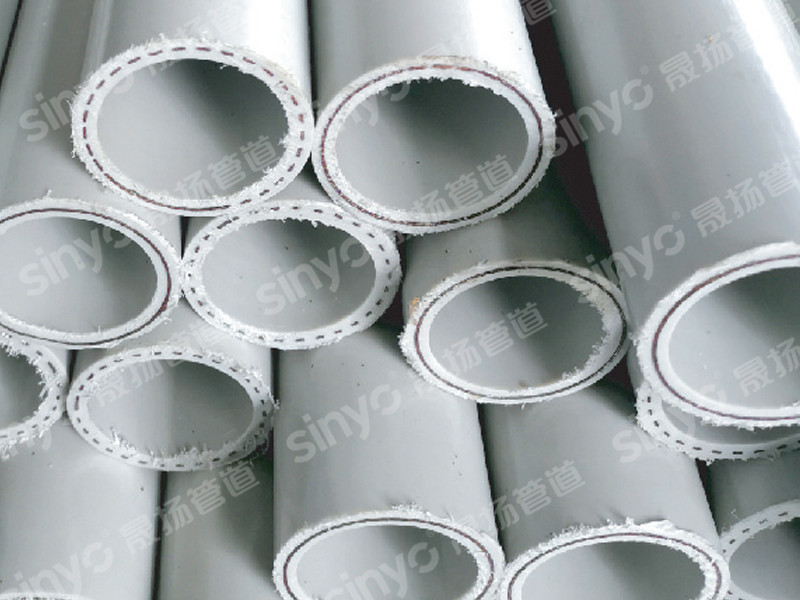
Kongwang steel strip polyethylene composite pipe
Kongwang perforated steel belt polyethylene composite pipe is a composite pipe material with a perforated steel pipe welded from cold-rolled steel strip as the reinforcing skeleton and composite thermoplastic plastic. Due to the introduction of the reinforcing skeleton, the pressure resistance of the pipe is significantly improved. Different types and grades of thermoplastic plastics can be used to produce composite pipe materials for different purposes. The perforated steel belt plastic pipes produced by the company are divided into several uses according to their uses: water supply, underground gas, hot water, chemical, and special uses.
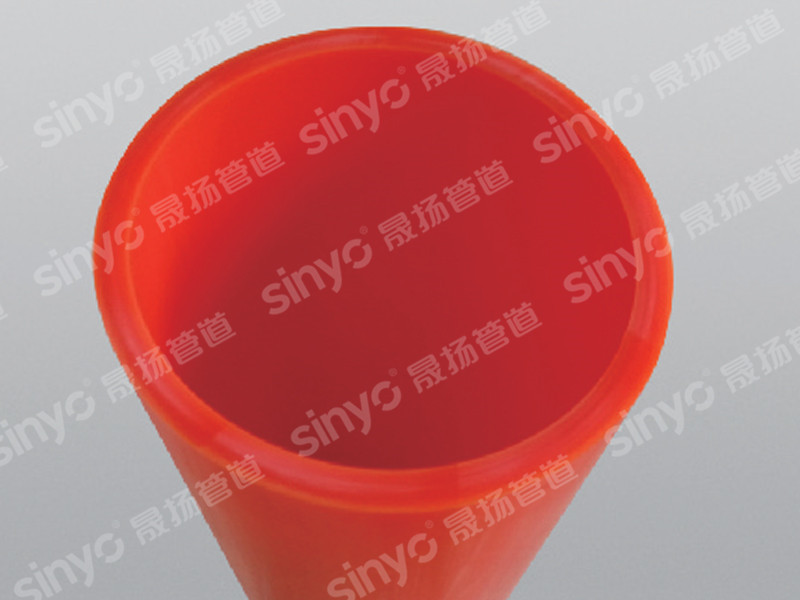
Development prospects of large-diameter (large-caliber) pressure pipes
The application of plastic pipes, both domestically and internationally, started with smaller diameters and gradually developed towards larger diameters. (There is no defined definition for large diameter; in this article, large diameter refers to diameters of 800mm and above.) It is worth noting that in recent years, there has been a major international trend towards the development of large-diameter plastic pipes, driven by environmental protection. As is well known, the world is currently facing a battle against climate change, and all countries must bear the responsibility of reducing carbon emissions. In the pipeline industry, there is undoubtedly a need to pay more attention to environmental impact.
Contact Information
Fuqing Yuanhong Investment Zone, Fujian Province
Online Message
Welcome to leave a message online, we will promptly respond and provide you with a suitable solution.