Contact Us

Email:
sypipe@163.com

Tel:
0591-62838555 62838666

Mobile:
13313753359

Address:Fuqing Yuanhong Investment Zone, Fujian Province

+
  • 未标题-2(212).jpg

Groundwater quality monitoring and dedicated plastic pipes for deep wells

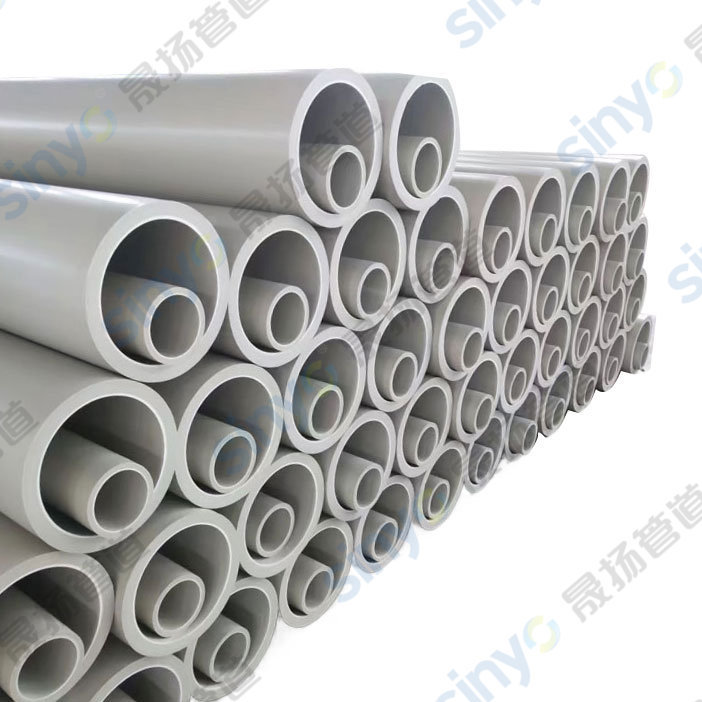
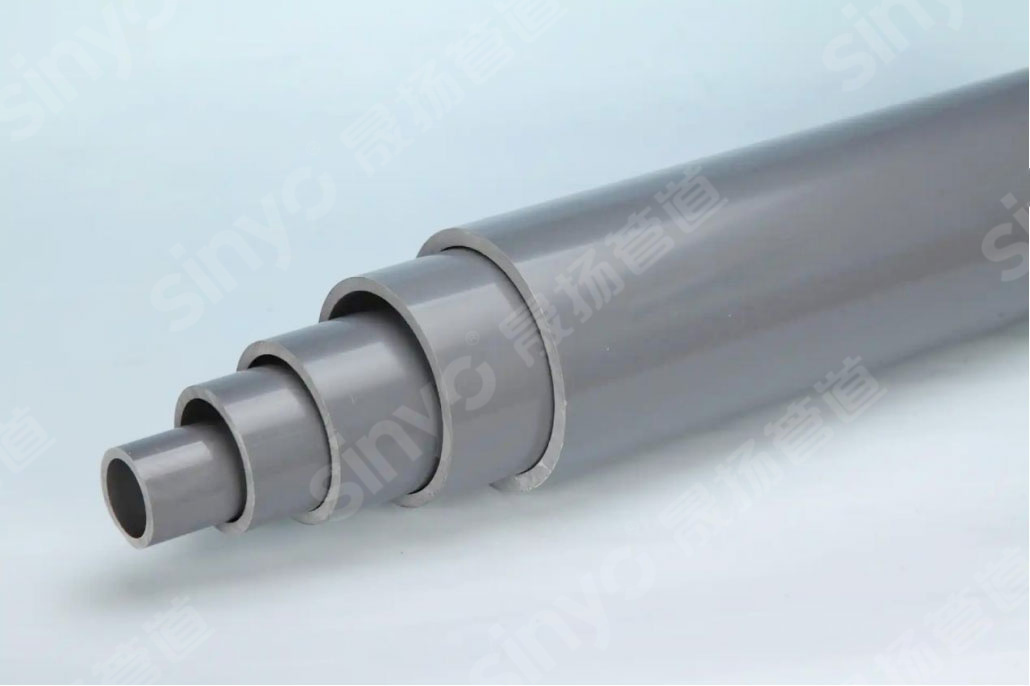
Plastic well casings are lightweight, corrosion-resistant, durable, and inexpensive. In foreign countries, especially developed countries, over 80% of water wells use plastic casings. The future trend in the water well field is to use new materials for well construction to solve corrosion and scaling problems, especially corrosion problems in high-salt areas. PVC-U plastic pipes have the advantages of low cost, no corrosion, and long service life, so they have broad application prospects and market. Does not pollute water quality High burst strength, good seismic performance Inexpensive pipe materials, low well construction cost
  • Commodity name: Groundwater quality monitoring and dedicated plastic pipes for deep wells

Keywords:

Keywords:

Groundwater quality monitoring and dedicated plastic pipes for deep wells

  • Product Description
  • Plastic well casings are lightweight, corrosion-resistant, durable, and inexpensive. In foreign countries, especially developed nations, over 80% of water wells use plastic casings. The future trend in well development is the use of new materials to solve corrosion and scaling problems, especially corrosion prevention in high-salt water wells. PVC-U pipes have low cost, are non-corrosive, and have a long service life, thus offering broad application prospects and market potential.

    Does not pollute water quality

    High fracture resistance and good seismic performance

    Inexpensive pipe materials lead to low well construction costs

    Reduce energy consumption: The roughness of PVC-U plastic pipes is only 0.008, the inner wall is smooth, the hydraulic conditions are good, and the energy consumption during use is relatively small.

    Wear resistance: PVC-U plastic pipes have excellent wear resistance, which can greatly reduce the wear of the water gap of the filter pipe due to the inflow of water.

    Project Requirements
    Density/(kg/m3) 1350-1460
    Vicat softening temperature ≥80
    Longitudinal shrinkage rate/% ≤5
    Ring stiffness/(kN/m2) SN≥12.5
    Tensile yield stress/(MPa) ≥43
    Falling weight impact strength (0℃)TIR/% ≤5

    Application range

    1. Deep well water casing; 2. Pipes for groundwater quality monitoring

    Aperture

    0.75mm-1.5mm

    Material range

    High-density polyethylene, rigid polyvinyl chloride, impact-modified polyvinyl chloride, polypropylene

Keywords:

Get a Quote

Note: Please leave your email address, and our professionals will contact you as soon as possible!

Related Products

PPH chemical pipe

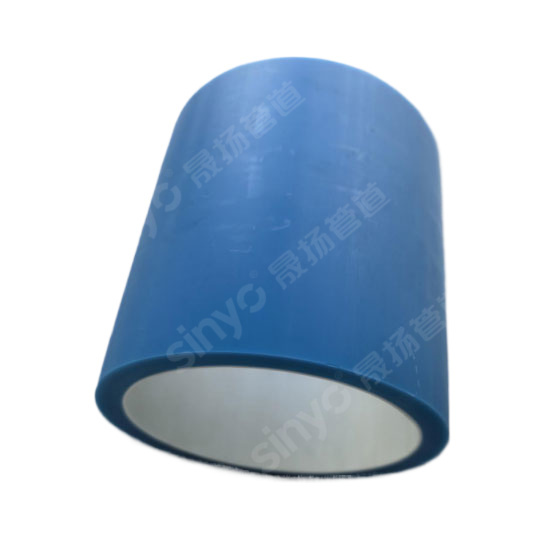
PPH chemical pipes (Polypropylene-Homo, abbreviated as PPH) are alloy polypropylene pipes formed by β-modification of ordinary polypropylene materials, with a uniform and fine Beta crystalline structure. PPH chemical pipes are widely used in the chemical industry, mainly due to their excellent chemical corrosion resistance, high-temperature performance, and good physical properties. Characteristics Chemical Corrosion Resistance: PPH chemical pipes have the strongest chemical corrosion resistance among all polypropylene pipes and can withstand long-term corrosion by various acids, alkalis, and salts. High-Temperature Performance: The operating temperature can reach 100℃, and the applicable temperature range is -20℃ to 110℃, combining low-temperature impact resistance with high-temperature pressure resistance. Physical Properties: PPH chemical pipes have low density and light weight, making them easy to transport and install; they also have high strength and can withstand a certain amount of pressure. Insulation: They have good electrical insulation properties, are non-conductive, and are suitable for pipeline systems in the power industry. Application Areas Chemical Industry: PPH chemical pipes are often used to transport various chemical media, such as acids, alkalis, and salt water, and are widely used in the chemical industry due to their excellent corrosion resistance. Pharmaceutical Industry: Used to transport medicines and chemical reagents, ensuring that they do not react with the medicines and maintain the purity of the medicines. Food Industry: Meets food safety standards and is often used in food processing and transportation to ensure food safety and hygiene. Construction Industry: Used in the water supply and drainage systems of buildings, and due to their corrosion resistance and high-temperature resistance, they can effectively extend the service life of the pipelines. Power Industry: Due to their good insulation properties, they are often used as cable protection pipes in the power industry.