The company mainly produces a series of new plastic pipe products, including PE/PP/PVC water supply, drainage, gas, mining, chemical, municipal, and power.


About PP, PP-H, PP-R, PP-C, and PP-B
Previously, a type of pipe called PP-C appeared on the domestic market. Many people were unclear about the differences between PP-C, PP-R, and PP-B, leading to misunderstandings and confusion. In fact, PP-C is a general term for random copolymer polypropylene, and PP-R and PP-B, which have quite different properties, both belong to the PP-C category. Therefore, there is no PP-C pipe in the standard. International standards for polypropylene hot and cold water pipes include PP-R, PP-B, and PP-H.
Apr 29,2011
Previously, a type of pipe called PP-C appeared on the domestic market. Many people were unclear about the differences between PP-C, PP-R, and PP-B, leading to misunderstandings and confusion. In fact, PP-C is a general term for copolymerized polypropylene. PP-R and PP-B, which have quite different properties, both belong to the PP-C category; therefore, there cannot be PP-C pipes in the standard. International standards for polypropylene hot and cold water pipes include PP-R, PP-B, and PP-H. Pipes marketed as PP-C are actually PP-B pipes, made from block copolymer polypropylene materials specifically for pipes. PP-B pipes are a type of hot and cold water pipe, relatively inexpensive, but their heat and pressure resistance is significantly lower than PP-R pipes, so they should not be confused.
It should be stated that all domestically supplied raw materials, including those from South Korea sold in the domestic market, do not meet the international standard for "random copolymer polypropylene pipe materials." Domestic pipe manufacturers should pay attention to the scope and conditions of use when selecting materials.
Appendix: Naming and implications of polypropylene series plastic pipe raw materials:
[ISO/DIS 15874-1999] stipulates the naming of polypropylene and propylene copolymer materials (based on the different chemical compositions, molecular structures, and production processes of propylene polymers):
PP-H (Poly Propylene Homopolymer)—Propylene homopolymer (Type Ⅰ)
PP-B (Poly Propylene Block Copolymer)—Propylene block copolymer (Type Ⅱ)
PP-R (Poly Propylene Random Copolymer)—Propylene random copolymer (Type Ⅲ) Types Ⅰ, Ⅱ, and Ⅲ are classifications of polypropylene pipe materials, not the so-called first, second, and third generations; they do not imply that the third generation is superior to the second or the second to the first, leading to the replacement of the former by the latter. They are pipe material series with their own unique characteristics.
Definition in polymer chemistry:
A macromolecule formed by the polymerization of a single monomer is called a homopolymer (Homonolymer). A macromolecule formed by the polymerization of two or more monomers is called a copolymer (Copolymer). Therefore, PP-H is a homopolymer formed by the polymerization of a single monomer, propylene (Propylene). PP-B and PP-R are copolymers (Poly Propylene Copolymer, i.e., PP-C) formed by the polymerization of propylene monomer (Propylene) and ethylene monomer (Ethene).
Related News
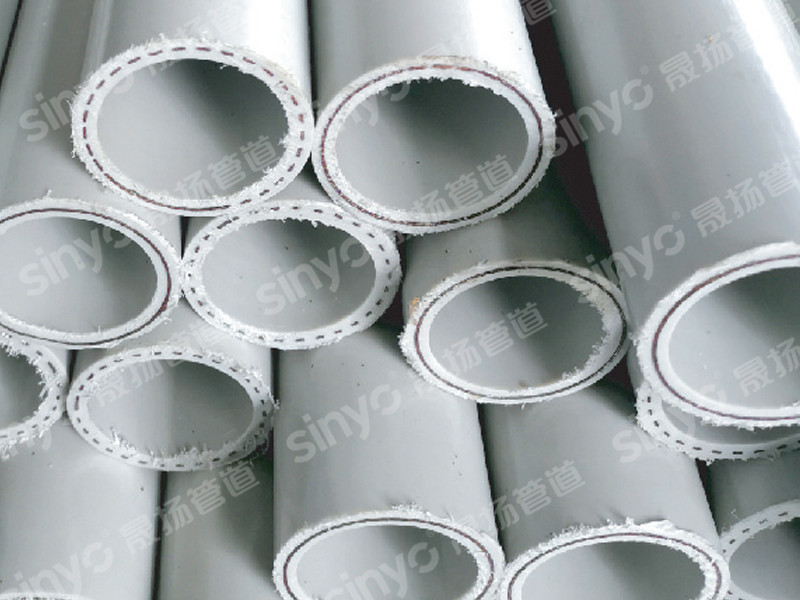
Kongwang steel strip polyethylene composite pipe
Kongwang perforated steel belt polyethylene composite pipe is a composite pipe material with a perforated steel pipe welded from cold-rolled steel strip as the reinforcing skeleton and composite thermoplastic plastic. Due to the introduction of the reinforcing skeleton, the pressure resistance of the pipe is significantly improved. Different types and grades of thermoplastic plastics can be used to produce composite pipe materials for different purposes. The perforated steel belt plastic pipes produced by the company are divided into several uses according to their uses: water supply, underground gas, hot water, chemical, and special uses.
Development prospects of large-diameter (large-caliber) pressure pipes
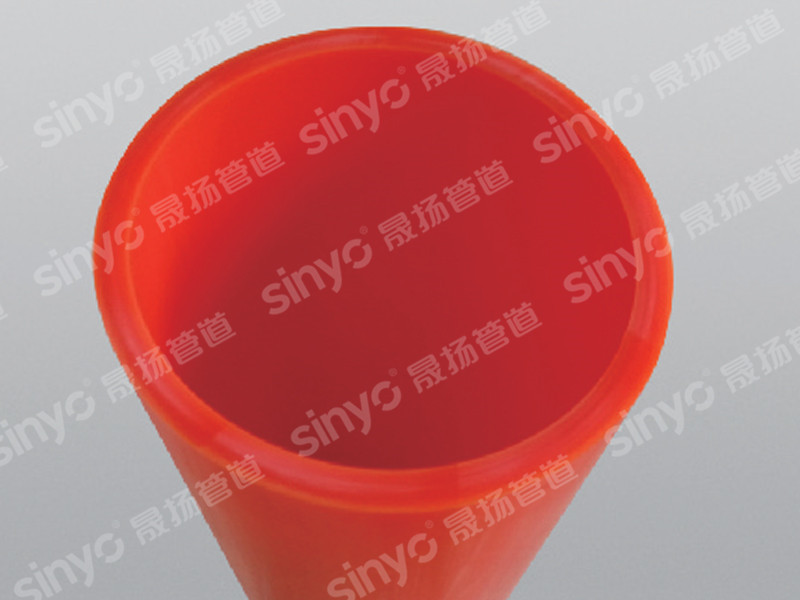
The application of plastic pipes, both domestically and internationally, started with smaller diameters and gradually developed towards larger diameters. (There is no defined definition for large diameter; in this article, large diameter refers to diameters of 800mm and above.) It is worth noting that in recent years, there has been a major international trend towards the development of large-diameter plastic pipes, driven by environmental protection. As is well known, the world is currently facing a battle against climate change, and all countries must bear the responsibility of reducing carbon emissions. In the pipeline industry, there is undoubtedly a need to pay more attention to environmental impact.
Contact Information
Fuqing Yuanhong Investment Zone, Fujian Province
Online Message
Welcome to leave a message online, we will promptly respond and provide you with a suitable solution.